Sigiriya
North & Central · Central Province


Sigiriya Rock Fortress: Climbing Sri Lanka's Rock in the Sky
Some places you look at. Sigiriya you climb into. Rising almost 200 metres straight out of the green plains of the Cultural Triangle, this fifth-century column of ancient magma has been called the eighth wonder of the world more than once — and after the 1,200 steps to the summit, you'll understand why. It's Sri Lanka's most iconic landmark and a UNESCO World Heritage Site. Here's what makes it worth the climb, and how to do it well.
The History of Sigiriya
In the late fifth century, a prince named Kashyapa seized the throne from his father, King Dhatusena — walling the old king up alive, according to the chronicles — and pushed aside his half-brother Moggallana, the rightful heir. Moggallana fled to India, vowing to return with an army.
Kashyapa, knowing that day would come, moved his capital from Anuradhapura to this improbable rock and built a fortress-palace on top of it. For roughly 18 years the plateau held a royal city: gardens, pools, pavilions, and a palace perched where nothing but wind should be. When Moggallana finally returned around 495 CE, Kashyapa met him on the plains, was abandoned by his troops, and took his own life. The rock passed to Buddhist monks and became a monastery for centuries afterward.
Things to See at Sigiriya
The climb unfolds in acts, and part of Sigiriya's genius is that it was designed to be experienced in sequence.
The Water Gardens
Before you even reach the rock, you walk through symmetrical gardens with fountains that — remarkably — still work during heavy rain, fed by 1,500-year-old hydraulics and gravity alone. They're among the oldest landscaped gardens in the world.
The Sigiriya Frescoes
Partway up, a spiral staircase leads to a sheltered pocket in the rock face where a series of painted women survive from Kashyapa's time. Golden-skinned and bejewelled, they're astonishingly vivid for their age. Once there may have been hundreds wrapping the western face; today around twenty remain, and photography isn't allowed here.
The Mirror Wall
Below the frescoes runs a wall once polished smooth enough for the king to see his reflection. What makes it extraordinary now is the graffiti — verses scratched into it by visitors between the 8th and 10th centuries. It's one of the earliest bodies of Sinhala writing we have: essentially ancient tourists leaving reviews.
The Lion's Paw
At the final terrace you reach the feature that names the site (Sīhāgiri, "Lion Rock"). The last stretch was once entered through the mouth of a colossal brick-and-plaster lion. Today only the enormous paws remain, flanking the staircase — enough to suggest the scale of what once loomed here.
The Summit
The top is a windswept plateau of foundations, cisterns and terraces where the royal palace stood. The 360-degree view over the jungle canopy toward Pidurangala and the distant hills is the payoff — and it is a genuinely spectacular one.
Ticket Prices & Opening Hours (2026)
Sigiriya is one of Sri Lanka's pricier sites, with rates pegged in US dollars and paid in rupees at the day's rate. Gates open around 5:00 AM daily.
- Foreign (non-SAARC) adults: around US$35
- SAARC-country visitors: roughly 50% off on presentation of a passport
- Local tickets: a small fee in rupees
Prices change with tax adjustments, so check the official Central Cultural Fund site before you go, and carry cash — card terminals aren't always reliable.
Practical Tips for Visiting Sigiriya
- Go early. First light means cooler air, thinner crowds and softer photos. Between 10:00 AM and 3:30 PM the exposed staircases turn into an oven.
- Budget the effort. Around 1,200 steps, some of them steep spiral staircases. A reasonable level of fitness and a head for heights help.
- Bring the essentials. Water, a hat, sunscreen and comfortable shoes are non-negotiable — there's little shade up top.
- Mind the wildlife. Wasps sometimes nest in the rock face and staff may close sections; monkeys near the summit will happily investigate an open bag.
How to Get to Sigiriya
Sigiriya sits in the Cultural Triangle in central Sri Lanka, an easy pairing with Dambulla's cave temples (about 30 minutes away) and Polonnaruwa's ancient city. It's roughly a 4-to-5 hour drive from Colombo, and most visitors base themselves in Sigiriya, Dambulla or Habarana for a night or two.
Sigiriya vs Pidurangala: Which Rock Should You Climb?
About a kilometre north, Pidurangala Rock is a cheaper, rougher, more hands-on scramble — and it gives you the one view Sigiriya itself can't: the Lion Rock standing alone above the plain.
Many travellers do both — climbing Pidurangala for sunrise, then Sigiriya later in the morning (or the reverse).
Why Sigiriya Stays With You
Plenty of ruins tell you a civilization existed. Sigiriya makes you feel the personality of one very specific, very driven man — a usurper who, given a rock in the middle of nowhere, decided to build paradise on top of it and defend it to the death. Fifteen centuries later, the army is long gone. The view is still worth guarding.
Frequently Asked Questions
How much does it cost to visit Sigiriya in 2026?
Foreign (non-SAARC) adults pay around US$35, paid in rupees at the day's rate. SAARC visitors get roughly 50% off with a passport, and locals pay a small fee in rupees. Prices are pegged in USD and change with tax adjustments, so confirm on ccf.gov.lk before you go.
What time does Sigiriya open?
Gates open around 5:00 AM daily. Arrive early for cooler air and thinner crowds; 10:00 AM to 3:30 PM is the hottest, busiest window.
How many steps are there to the top of Sigiriya?
Roughly 1,200 steps, including steep metal spiral staircases. Allow two to three hours for the full climb and descent.
Is Sigiriya or Pidurangala better to climb?
They offer different things. Sigiriya has the frescoes, gardens and ancient palace; Pidurangala is a cheaper scramble with the best view of Sigiriya. Many travellers climb both.
Experiences & Activities
Discover unique experiences and memorable activities in Sigiriya.
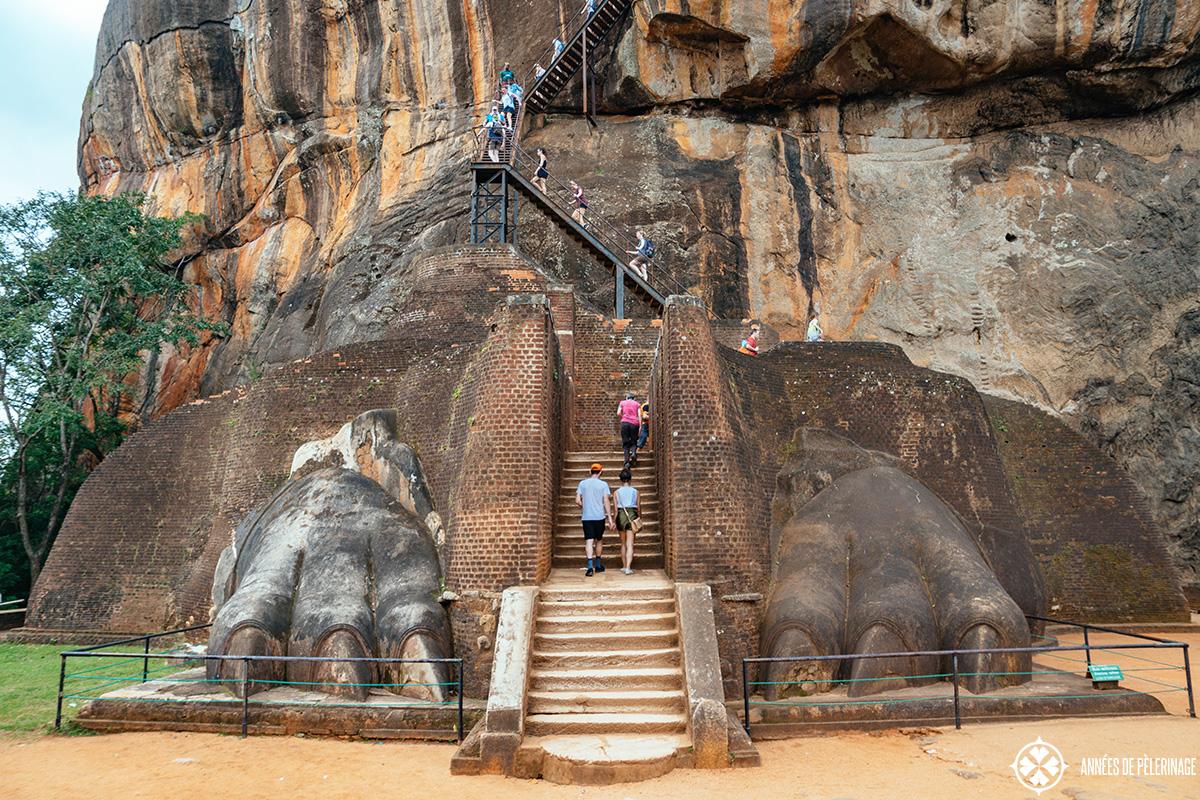
Climb the Lion Rock
The headline experience and the reason most people come. You start through the symmetrical water gardens, climb a spiral staircase to the ancient frescoes, pass the graffiti-covered Mirror Wall, then step between the giant Lion's Paws for the final push to the palace ruins on the summit. The 360° view over the jungle canopy is the payoff. Steep metal staircases and full sun make it demanding, so start at opening for cooler air and thinner crowds.
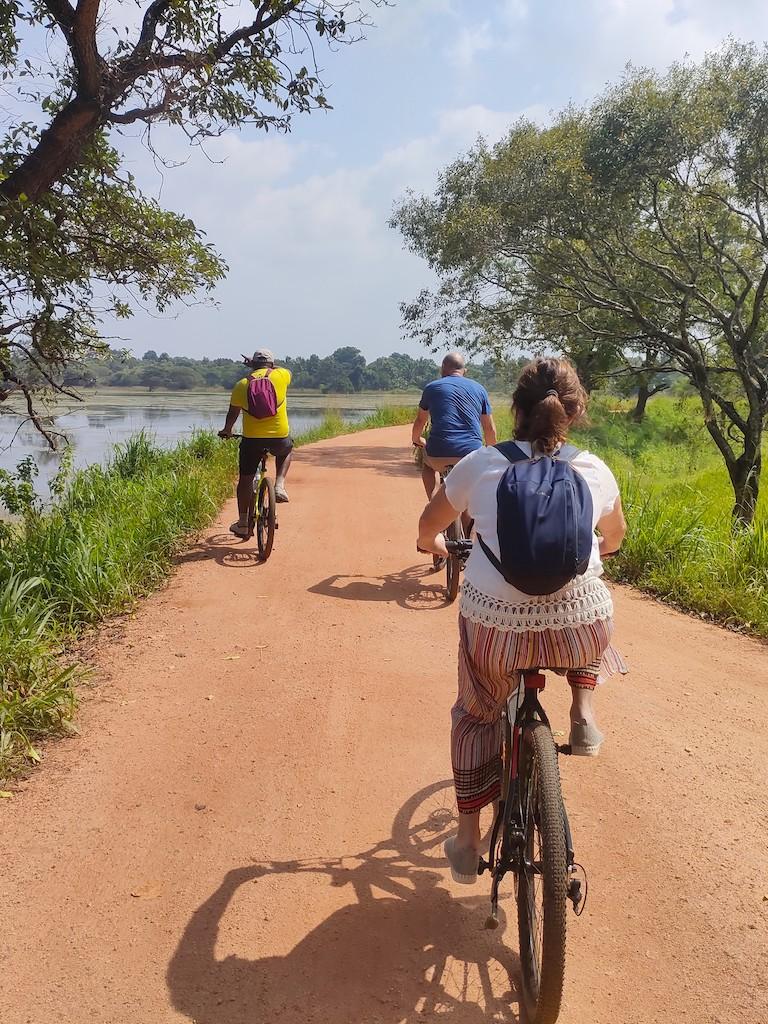
Cycling the Rural Backroads
Guided rides that thread through the paddy fields, lakes and small villages ringing the rock, often with stops at a temple or a local home along the way. The terrain is mostly flat and the pace relaxed, though the heat builds fast — mornings are far more comfortable than afternoons. A great way to see everyday life away from the main sites.
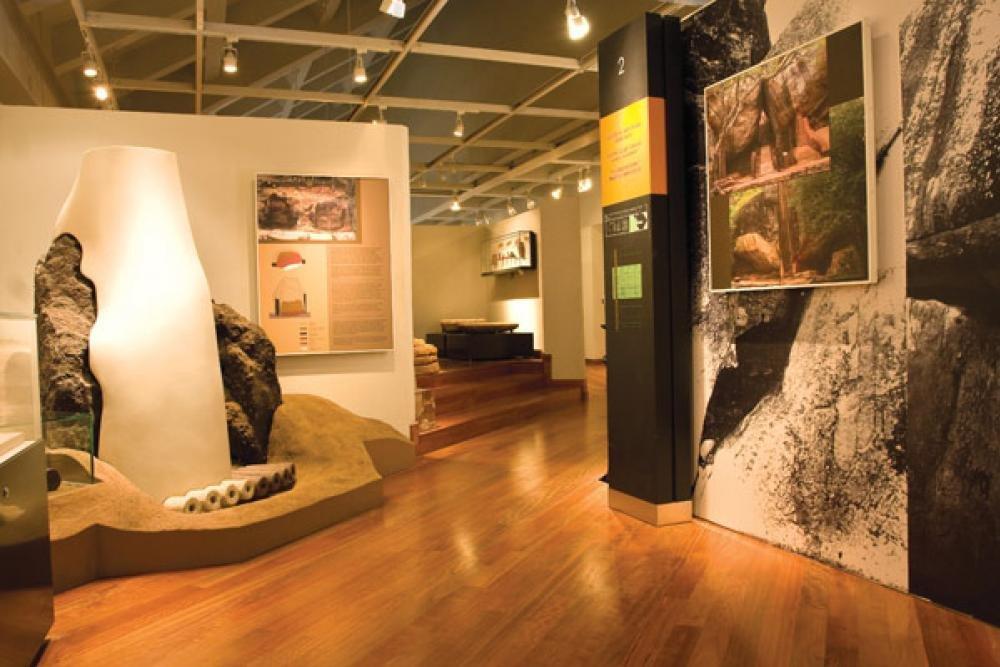
Sigiriya Museum
Included with your rock ticket and often overlooked. The exhibits lay out Sigiriya's astonishing hydraulic engineering, the story of King Kashyapa, and detailed reproductions of the frescoes — context that makes the climb far more meaningful. Visiting beforehand helps you read the ruins on top rather than just walking past them.
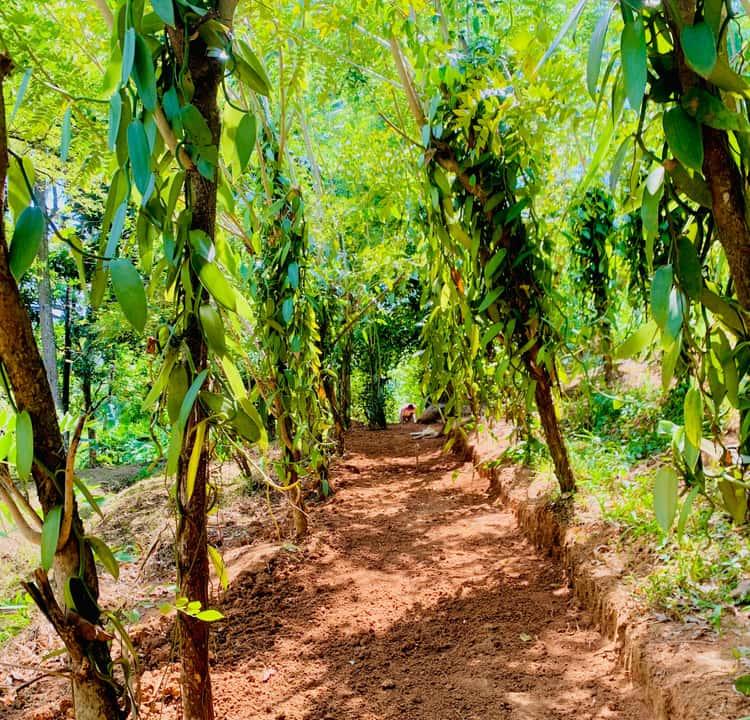
Ayurveda & Spice Gardens
The Sigiriya–Dambulla road is lined with spice gardens and Ayurvedic spas drawing on Sri Lanka's long herbal-medicine tradition. Expect a walk-through of cinnamon, cardamom, pepper and medicinal plants, often followed by a herbal oil massage or treatment. It's an easy, restorative way to spend an afternoon once your legs have recovered from the rock.
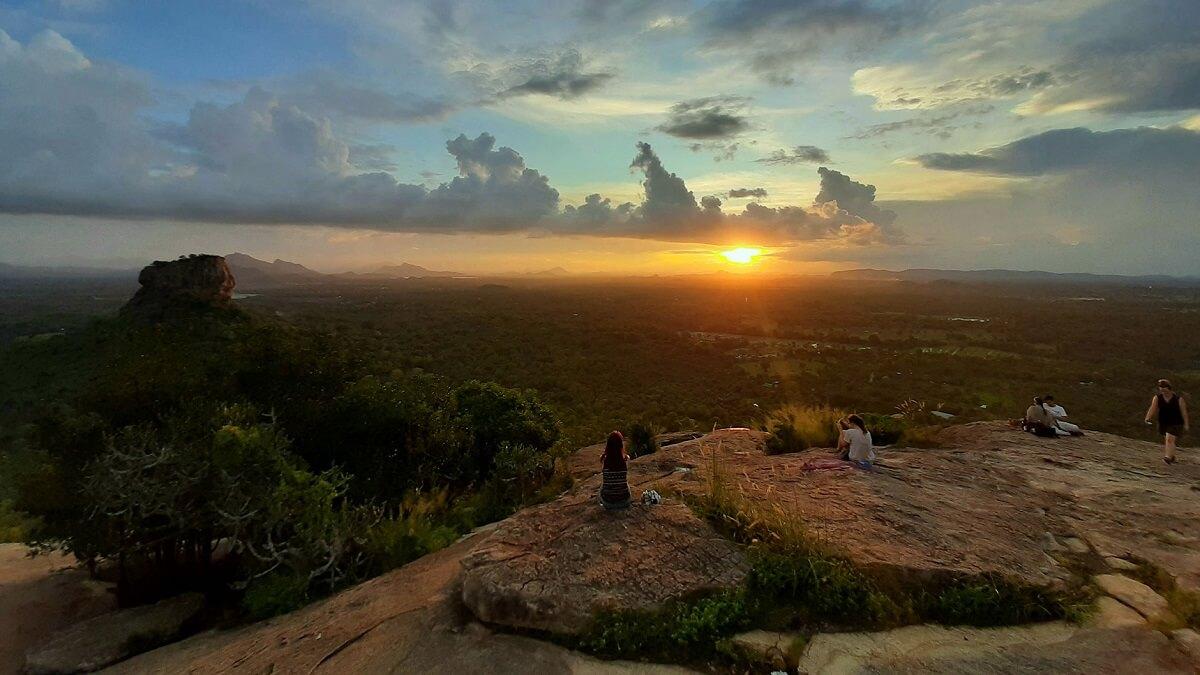
Pidurangala Rock at Sunrise
A rougher, cheaper climb a kilometre north, popular with travellers chasing the best photo of Sigiriya itself. A forest path and stairs lead most of the way up, ending in a short rocky boulder scramble that needs hands and a little care. Time it for dawn and you'll watch the Lion Rock emerge from the morning mist with the plains stretching out on every side — arguably the finest view in the region.
