Dambulla
North & Central · Central Province


Dambulla Cave Temple: Sri Lanka's Golden Cave Sanctuary
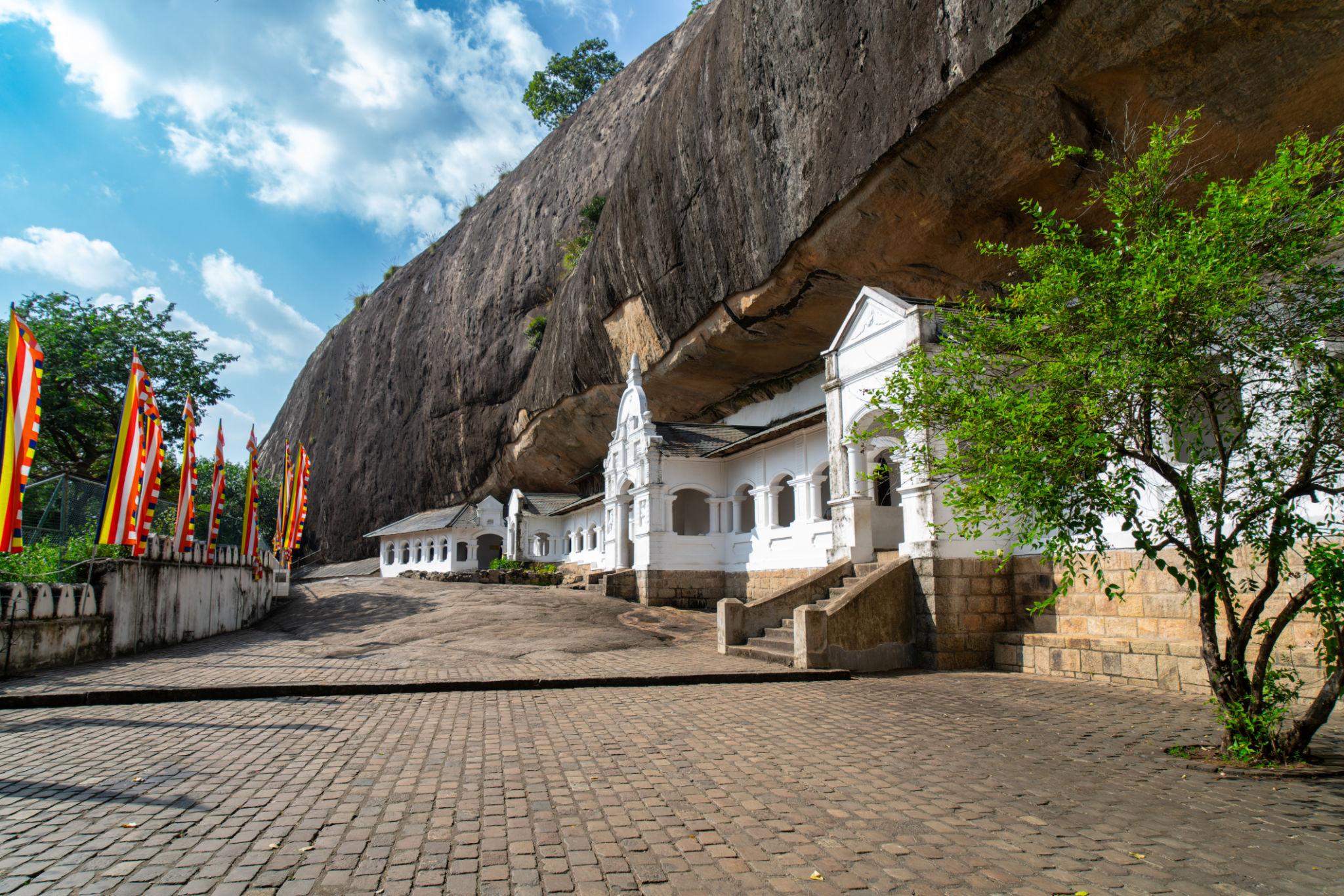
Carved into a 160-metre rock that rises over the plains of the Cultural Triangle, the Dambulla Cave Temple is the largest and best-preserved cave-temple complex in Sri Lanka and a UNESCO World Heritage Site. Five caves hold more than 150 Buddha statues and some 2,100 square metres of painted ceilings and walls — a living monastery that has been in continuous use for over two thousand years. It's an easy, rewarding pairing with Sigiriya, just 30 minutes north.
The History of Dambulla
The story begins in the 1st century BCE, when King Valagamba (Vattagamani Abhaya) was driven from his throne in Anuradhapura and spent 14 years in exile hiding among these caves, sheltered by the local monks. When he reclaimed his kingdom, he repaid the debt by converting the caves into a magnificent rock temple.
Over the following centuries, successive kings expanded and embellished it. King Nissanka Malla is credited with gilding the interior in the 12th century — the origin of the name "Golden Temple." Later rulers restored the statues, repainted the murals and added the entrance structures you see today. Through wars, invasions and dynasties, the caves have remained a place of worship, which is exactly what gives them their atmosphere: this is a working temple, not a museum.
What to See at Dambulla
The complex has five main caves, each opening off a long sheltered terrace high on the rock face.
Cave 1 — Devaraja Lena (Temple of the King of Gods)
The oldest cave, dominated by a 14-metre reclining Buddha carved directly from the living rock, right down to the pillow beneath his head.
Cave 2 — Maharaja Viharaya (Temple of the Great Kings)
The largest and most spectacular chamber, with more than 50 standing and seated Buddhas, statues of kings and gods, and ceilings covered edge to edge in murals of the Jataka tales. A natural spring drips sacred water from the ceiling into a vessel — even in drought.
Cave 3 — Maha Alut Viharaya (Great New Temple)
An 18th-century addition from the Kandyan period, full of statues and vividly painted ceilings in the classic Kandyan style.
Caves 4 & 5
Smaller shrines completing the complex, with their own Buddha images and a quieter, more intimate feel away from the crowds.
Ticket Prices & Opening Hours
The temple usually opens around 7:00 AM. The ticket booth sits at the bottom of the hill, near the giant golden Buddha statue — not at the caves themselves.
- Foreign adults: around LKR 2,000 (about US$6–7)
- SAARC-country visitors: reduced rate on presentation of a passport
- Children: half price, and free for the very young
Buy your ticket at the booth by the golden Buddha before you start climbing — there's no counter at the top, and travellers regularly climb all the way up only to be sent back down. Prices have risen recently and are paid in cash, so carry small notes.
Practical Tips for Visiting Dambulla
- Bring socks. Shoes must be removed before the caves, and the sun-baked paving and green entrance carpet get scorching by midday — socks save your feet.
- Dress respectfully. Shoulders and knees must be covered for everyone; a light scarf or wrap does the job.
- Go early or late. The climb is about 15 minutes of steps in the open. Early morning is cool and quiet; late afternoon brings a beautiful light and sunset over the plains.
- Watch the monkeys. Troops around the entrance are bold and food-aggressive — keep snacks and lotus flowers out of sight.
- No flash. Photography is allowed inside, but flash is banned to protect the ancient murals.
How to Get to Dambulla
Dambulla sits right on the main road in the heart of the Cultural Triangle, making it one of the easiest heritage sites to reach. It's about 30 minutes from Sigiriya, an hour from Polonnaruwa, and roughly a 4-hour drive from Colombo. Most travellers visit as a half-day stop, often on the same day as Sigiriya — climbing the rock in the cool morning and the caves in the golden afternoon.
Why Dambulla Stays With You
Sigiriya impresses you with ambition; Dambulla moves you with devotion. Stepping from the glare of the terrace into a cool, incense-heavy cave — where a reclining Buddha stretches the length of the rock and two thousand years of painted stories arc overhead — is one of those quiet moments Sri Lanka does so well. It has been a place of refuge and faith for 22 centuries, and it still is.
Frequently Asked Questions
How much does it cost to enter Dambulla Cave Temple?
Foreign adults pay around LKR 2,000 (roughly US$6–7), with reduced rates for SAARC nationals and children. Prices have been rising and are paid in cash, so confirm at the booth and carry small notes.
What time does Dambulla Cave Temple open?
It generally opens around 7:00 AM. Early morning is coolest and quietest; late afternoon offers great light and sunset views.
How long does a visit take?
Allow about two to three hours, including the roughly 15-minute climb and time to explore all five caves.
Is there a dress code?
Yes. As an active temple, shoulders and knees must be covered, and shoes are removed before entering the caves — bring socks for the hot paving.
Can I combine Dambulla with Sigiriya?
Easily. They're only about 30 minutes apart, and doing both in one day — Sigiriya in the morning, Dambulla in the afternoon — is the classic Cultural Triangle plan.
Experiences & Activities
Discover unique experiences and memorable activities in Dambulla.
Explore the Golden Temple & Cave Complex
The main event. A short but steep 15-minute climb up the rock leads to five caves packed with more than 150 Buddha statues and 2,100 square metres of centuries-old murals. Start at the golden Buddha at the base, take your time in the great second cave, and enjoy the plains view from the terrace. Go early or late to beat the heat and the crowds.
Jathika Namal Uyana (Rose Quartz Mountain)
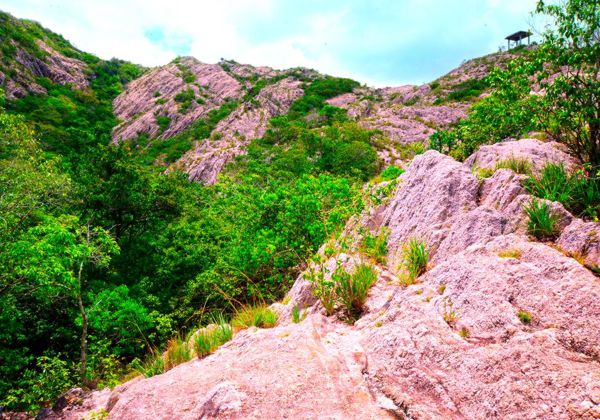
About 20 minutes from Dambulla lies the largest ironwood (na) forest in Asia and one of the largest rose quartz mountains in South Asia. A shaded forest trail opens onto pink-and-white quartz outcrops that glow at sunrise and sunset, with sweeping views from the top. A peaceful, offbeat alternative to the busier heritage sites.
Sunset at Kandalama Reservoir
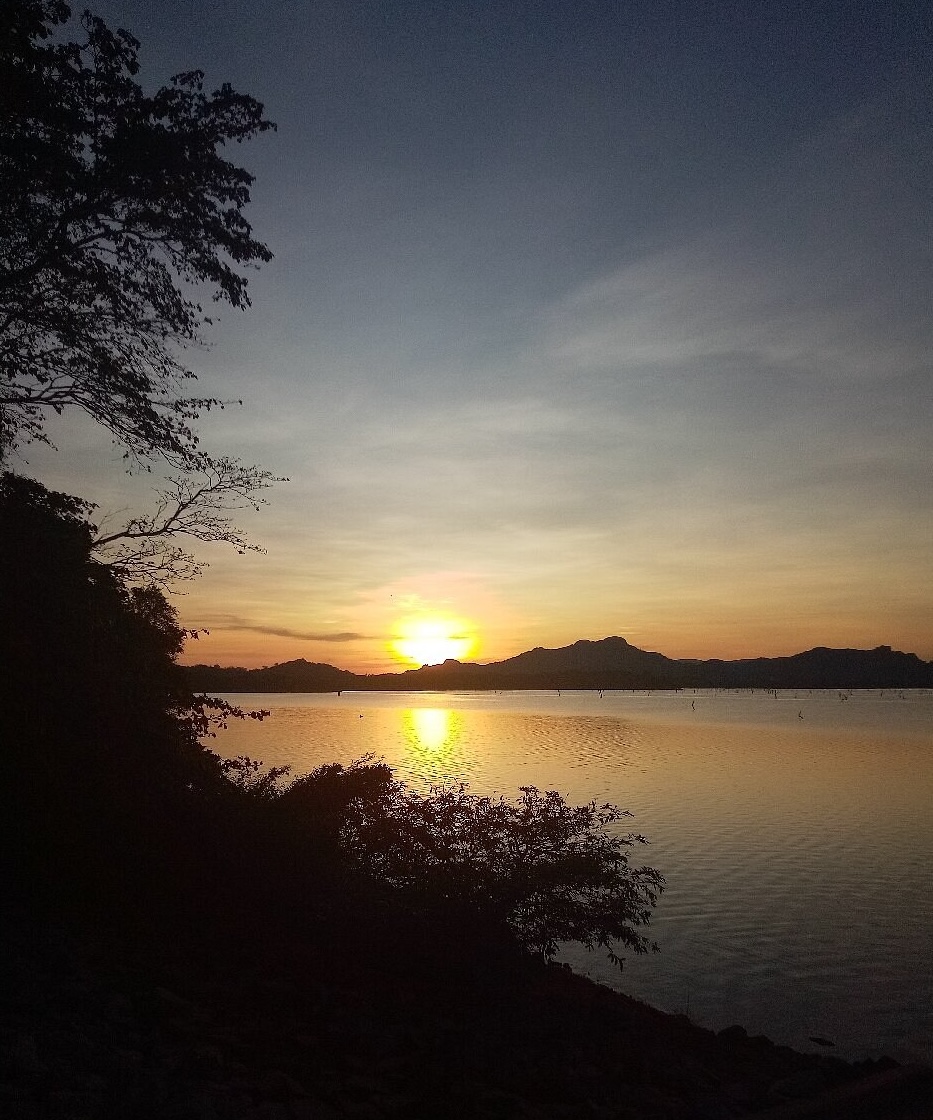
The vast Kandalama tank, ringed by jungle, is one of the most serene spots in the region. Watch the light fade over the water with Sigiriya sometimes visible on the horizon, or take a small boat safari to spot birds, crocodiles and the occasional elephant coming to drink. Minimal effort, maximum calm.
