Colombo
Western · Western Province
Colombo: The Island's Gateway and Its Beating Heart
Colombo is Sri Lanka's largest city and commercial capital, a bustling port metropolis on the west coast where most island journeys begin and end, about 35 km south of the international airport. It's a layered, energetic place — colonial arcades and candy-striped mosques, gleaming skyscrapers and the lotus-shaped tower, sea-breeze promenades and some of the finest food on the island. Not a beach or an ancient ruin but a living, reinventing city, Colombo rewards a day or two of wandering before or after the rest of your Sri Lankan adventure.
History
Colombo owes its existence to its harbour. For more than a thousand years, Arab and Moor traders sheltered here on the monsoon routes, drawn by cinnamon and the safe anchorage, long before Europeans arrived.
The colonial centuries left deep marks. The Portuguese built a fort here in the early 1500s; the Dutch seized it in 1656 and laid out the canals and the district still called Pettah (from the Tamil for "outer town"); and the British, taking over in 1796, made Colombo the capital of Ceylon, building the grand port, the railways and the leafy mansions of Cinnamon Gardens.
Colombo has been the country's beating commercial heart for centuries — though since 1982 the official administrative capital has technically been neighbouring Sri Jayawardenepura Kotte, a distinction few visitors ever notice.
Since the civil war's end in 2009, Colombo has transformed at speed — a new skyline of towers, the vast reclaimed-land Port City project, and a confident food and arts scene. It remains a city of layers, where a colonial arcade, a Buddhist temple, a Hindu kovil, a mosque and a glass tower can all share a single skyline.
What to See
Galle Face Green
Colombo's great seafront lawn is the city's living room — a half-mile promenade where, as the sun sets, families fly kites, couples stroll, and vendors grill isso wade (prawn fritters) and serve king coconuts. Come at dusk for the breeze, the colour and the crowd; it's the most Colombo of experiences.
Gangaramaya Temple & Seema Malaka
The city's most important and eclectic Buddhist temple, Gangaramaya is a treasure-house of Buddha images, gifts and curiosities, part temple and part museum. Its serene sister site, the Seema Malaka — a cluster of pavilions floating on Beira Lake, designed by the great architect Geoffrey Bawa — is one of the loveliest quiet corners in the city.
Colombo National Museum
Housed in a gracious colonial building, the island's largest museum tells Sri Lanka's whole story, from ancient statuary and Kandyan royal regalia to swords, masks and manuscripts. It's the single best place to make sense of everything you'll see elsewhere on the island — allow a couple of hours.
Colombo Lotus Tower
Rising 356 metres over the city in the shape of a lotus, this is Sri Lanka's tallest structure and its boldest modern landmark. The observation deck offers a sweeping 360-degree panorama of the city, the harbour and the Indian Ocean.
Time your visit for late afternoon to catch both the daytime view and the sunset, then watch the city lights blink on. Weekday mornings are quietest.
Pettah & the Red Mosque
The frenetic Pettah bazaar is Colombo at full volume — a grid of streets each devoted to its own trade, from textiles to electronics to spices. At its heart stands the Jami Ul-Alfar Mosque, an unforgettable candy-striped confection of red-and-white brick that's one of the city's most photographed buildings.
Independence Square & Cinnamon Gardens
In the elegant Cinnamon Gardens district, the columned Independence Memorial Hall commemorates the end of colonial rule, surrounded by joggers at dawn and dusk. Nearby, the restored Arcade Independence Square offers boutique shopping in a beautiful old colonial building.
The Fort & the New Waterfront
The historic Fort district blends colonial grandeur — the restored Old Dutch Hospital, now a dining and shopping precinct — with the gleaming ambition of Port City Colombo, a vast reclaimed-land development with a brand-new city beach.
Ticket Prices & Opening Hours
Many of Colombo's pleasures are free; a handful of sights are ticketed. All figures were checked this year; prices and hours change, so confirm before visiting.
- Colombo Lotus Tower: observation deck around US$20 per adult and US$10 per child. Open roughly weekdays 9 AM–9 PM and weekends until about 10 PM (ticket counter closes about an hour earlier).
- Colombo National Museum: foreigner entry around US$5 per adult and US$2.50 per child. Open daily about 9 AM–5 PM (last entry around 4:30); closed on some public holidays.
- Gangaramaya Temple: entry commonly around LKR 300, including the temple, museum, library and Seema Malaka — though some sources list a higher foreigner rate, so confirm at the counter. Open daily about 6 AM–8 PM. Dress modestly.
- Free to visit: Galle Face Green, Independence Square, Pettah market and the Red Mosque (a donation is welcome), Viharamahadevi Park, the Old Dutch Hospital, and the Port City waterfront and beach.
Season & timing: Colombo is warm and humid year-round, with the driest, most pleasant weather roughly December to March. The southwest monsoon (around May to September) brings afternoon downpours, but the city carries on regardless — just carry an umbrella. Early mornings and late afternoons are the coolest, kindest times to explore on foot.
Practical Tips
- Give it a day or two, not a rushed hour. Colombo isn't a single sight but a city to graze — temples, markets, food and sea air.
- Use ride-hailing apps. PickMe and Uber (including tuk-tuks) are cheap, easy and save haggling; agree metered or app fares over street quotes.
- Beat the heat. Sightsee in the morning and late afternoon, and duck into a café or mall during the midday heat.
- Dress respectfully for temples and mosques. Cover shoulders and knees, and remove shoes and hats before entering; the Red Mosque and Gangaramaya both expect modest dress.
- Eat everywhere. Colombo is the island's food capital — try kottu, hoppers, short eats and a proper rice and curry, from street stalls to smart rooftops.
- Head to Galle Face at sunset. It's free, lively and quintessentially Colombo — bring an appetite for street snacks.
- Carry small cash. For markets, tuk-tuks, temple entry and street food, though cards work in malls and hotels.
- Mind the traffic. Colombo's congestion is real; plan cross-city trips around the worst of the rush hours.
How to Get There
As the country's main hub, Colombo is the easiest place in Sri Lanka to reach and to leave from.
- From the airport: Bandaranaike International Airport (CMB) sits about 35 km north near Negombo; the airport expressway brings you into the city in around 30–60 minutes by taxi.
- By train: Colombo Fort is the heart of the rail network, with scenic lines south along the coast to Galle and up into the hills toward Kandy and the tea country.
- By expressway: the Southern Expressway speeds you to the south coast and Bentota, while highways head inland toward the Cultural Triangle sights of Dambulla and Sigiriya.
- Around the city: tuk-tuks and ride-hailing apps are the simplest way to get around.
Why Colombo Is Worth Your Time
Some travellers treat Colombo as just an airport transfer — and miss the point. The city isn't competing with the beaches or the ruins; it offers something they can't.
- Layered history: Portuguese, Dutch and British legacies stacked beside temples, kovils and mosques.
- The island's best food scene: from street kottu to rooftop fine dining, this is where Sri Lanka eats.
- A real, living city: markets, galleries, shopping and sea-breeze promenades, unpolished and genuine.
- The perfect bookend: an easy, rewarding start or finish to any Sri Lankan itinerary.
Give Colombo a day at the beginning or end of your trip and it repays you with context, colour and the island's best meals.
Why Colombo Stays With You
Colombo stays with you as a city of the senses — the sizzle of a kottu griddle, the salt breeze off Galle Face at dusk, the red-and-white dazzle of a mosque above a chaotic bazaar, the hush of pavilions floating on a city lake. It doesn't hand you its charms on a postcard; it makes you find them, street by street.
You leave with the feeling of having glimpsed the real, unvarnished pulse of Sri Lanka — a place that is old and new at once, trading and praying and building and eating, all in the same salt-scented afternoon. That living, layered energy is Colombo's quiet gift.
Frequently Asked Questions
Is Colombo worth visiting?
Yes, if you give it a chance. Colombo isn't a beach or a ruin but a vibrant, layered city with colonial architecture, temples, markets, a striking modern skyline and the island's best food scene. A day or two at the start or end of a Sri Lanka trip adds real context and colour.
What are the best things to do in Colombo?
Highlights include watching sunset at Galle Face Green, visiting Gangaramaya Temple and its lake pavilion Seema Malaka, exploring the Pettah bazaar and Red Mosque, taking in the view from the Lotus Tower, and browsing the National Museum — all wrapped around plenty of excellent eating.
How many days do you need in Colombo?
One to two days is usually enough to see the main sights, eat well and get a feel for the city. Many travellers spend a day here at the start or end of their trip, often combining it with the airport town of Negombo.
How do you get from Colombo airport to the city?
Bandaranaike International Airport is about 35 km north of Colombo. The quickest way is a taxi via the airport expressway, taking around 30–60 minutes depending on traffic. Ride-hailing apps and airport taxis are readily available, and many hotels arrange transfers.
How much does the Colombo Lotus Tower cost?
Entry to the observation deck is around US$20 for adults and US$10 for children. It's open roughly 9 AM to 9 or 10 PM, with the ticket counter closing about an hour earlier. Late afternoon is the best time to catch both the view and the sunset.
Is Colombo safe for tourists?
Colombo is generally considered a safe city for visitors, with the usual big-city precautions: watch your belongings in crowded markets, use reputable taxis or ride-hailing apps, and agree fares in advance. As anywhere, stay aware of your surroundings, especially at night.
What food should you try in Colombo?
Colombo is Sri Lanka's food capital, so try kottu roti, egg and milk hoppers, string hoppers, "short eats," fresh seafood and a full rice and curry. Sample street food at Galle Face, then work up to the city's excellent cafés and rooftop restaurants.
Experiences & Activities
Discover unique experiences and memorable activities in Colombo.
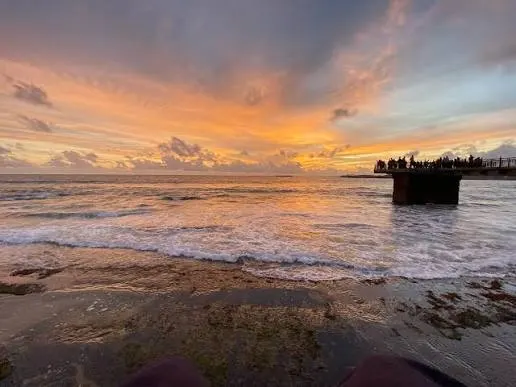
Sunset at Galle Face Green
Join the crowd on Colombo's great seafront lawn as the sun drops into the Indian Ocean — families flying kites, couples strolling, and vendors grilling prawn fritters and cracking king coconuts. It's free, lively and quintessentially Colombo, best experienced with a paper cone of street snacks in hand. *Seasonal:* wonderful year-round, though evenings are driest and clearest December–March.
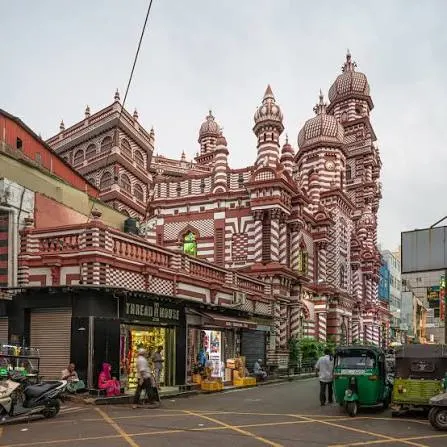
Explore the Pettah Bazaar & Red Mosque
Dive into the sensory overload of Pettah, a grid of streets each dedicated to its own trade, from fabric to spices to electronics. At its heart, the candy-striped Jami Ul-Alfar (Red) Mosque is one of the city's most photogenic sights. Go in the morning before the heat peaks, dress modestly, and keep an eye on your belongings in the crowds.
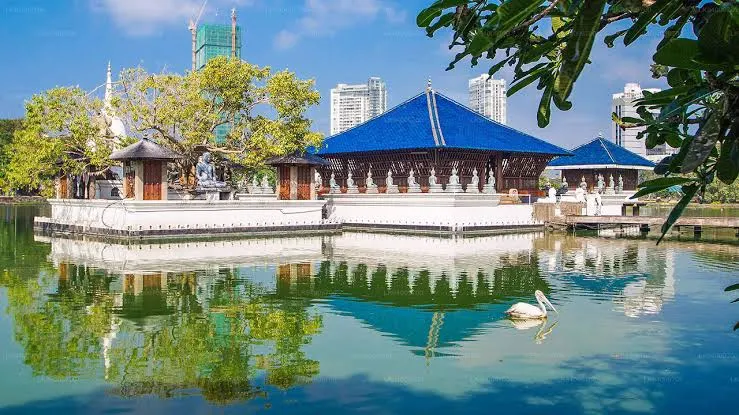
Visit Gangaramaya Temple & Seema Malaka
Explore Colombo's most eclectic temple, a fascinating jumble of Buddha images, gifts and curiosities, then walk to its tranquil lake pavilions at Seema Malaka, designed by Geoffrey Bawa and floating serenely on Beira Lake. Together they capture Colombo's mix of devotion, art and calm. Dress modestly, covering shoulders and knees, and remove shoes before entering.

Discover the National Museum
Housed in a graceful colonial building, Sri Lanka's largest museum lays out the island's whole story — ancient sculpture, the Kandyan royal regalia, masks, weapons and manuscripts. It's the perfect primer for everything you'll see elsewhere on your trip. Visit in the morning and allow a couple of unhurried hours.
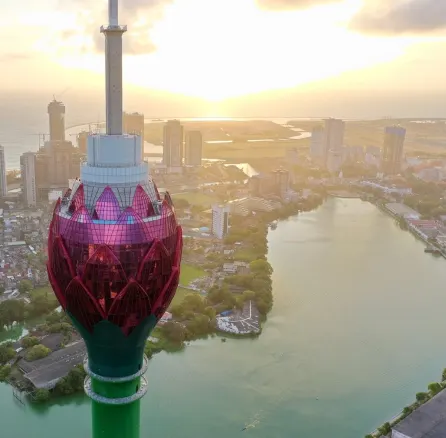
Up the Lotus Tower at Dusk
Ride the ear-popping lift up Sri Lanka's tallest structure for a 360-degree panorama of Colombo, its harbour and the sea. Arrive in late afternoon to enjoy the daytime view, the sunset and the city lights all in one visit. Weekday mornings are quietest; weekends and evenings draw local crowds.
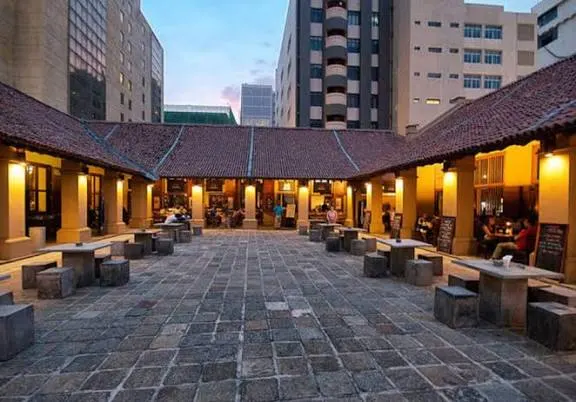
Wander the Fort & Old Dutch Hospital
Stroll the historic Fort district, where colonial facades meet the restored Old Dutch Hospital — now a handsome precinct of cafés, boutiques and restaurants set around cool courtyards. It's an easy, atmospheric introduction to Colombo's layered past. Late afternoon is pleasant, when the heat eases and the bars fill.
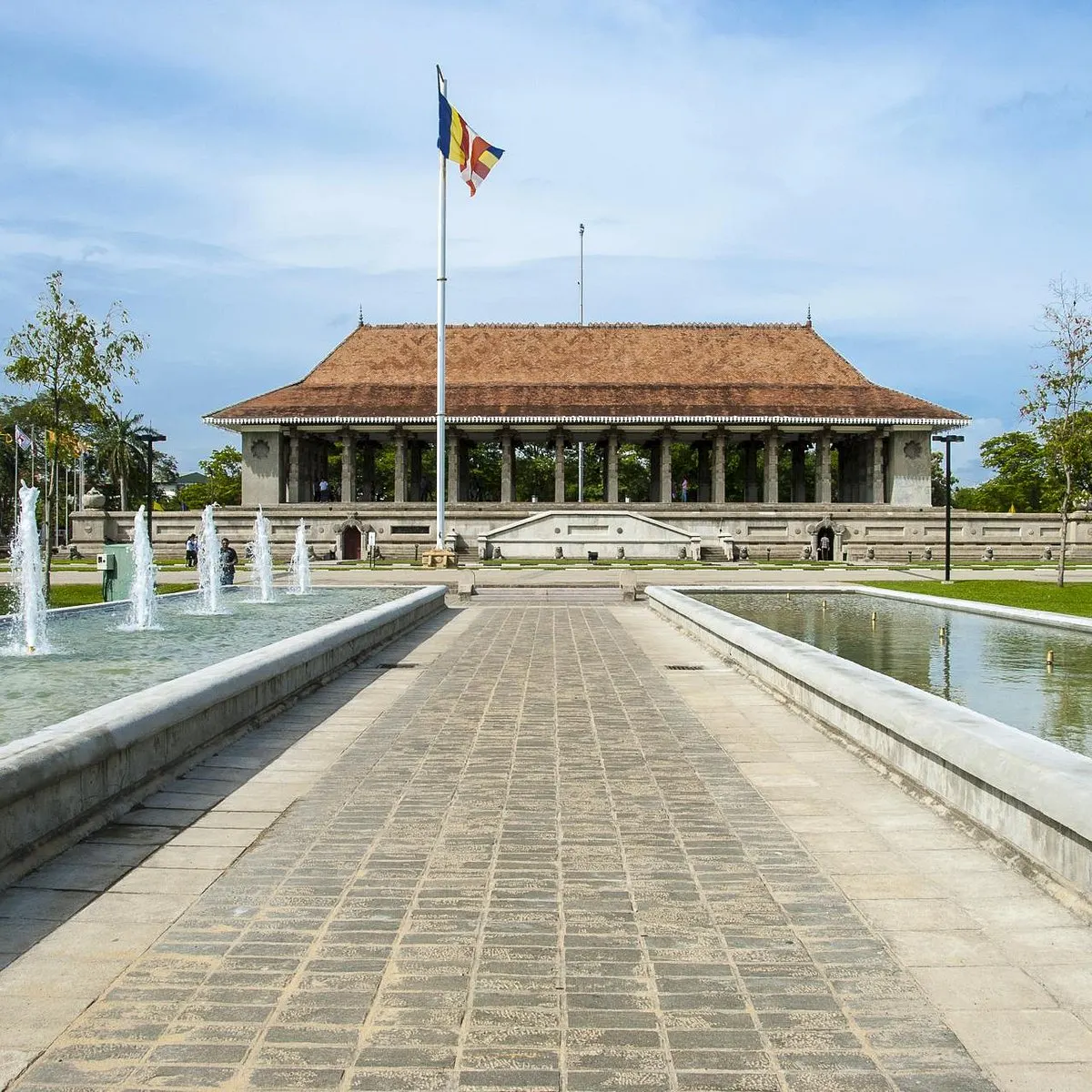
Stroll Independence Square & Cinnamon Gardens
Explore the leafy, elegant Cinnamon Gardens, home to the columned Independence Memorial Hall and the restored colonial shopping arcade beside it. It's a calm, green counterpoint to the city's bustle, popular with joggers at dawn and dusk. Combine it with a café stop and a little boutique browsing.
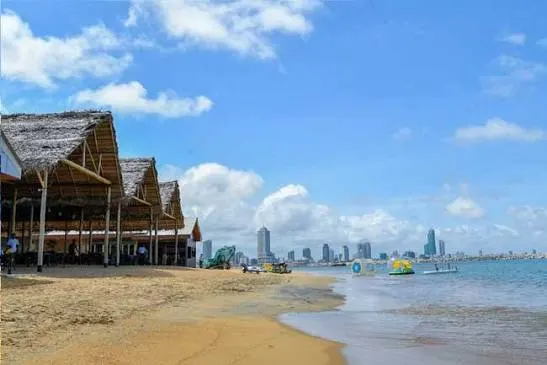
Visit Port City & the New Beach
See Colombo's ambitious future at Port City, a vast reclaimed-land development on the waterfront with wide promenades and a brand-new city beach. It's a striking contrast to the old town and a breezy spot for a walk. *Seasonal:* most pleasant in the drier, calmer months of December–March.
