Jaffna
North · North Province
Jaffna: Sri Lanka's Northern Soul, Where the Island Leans Toward India
Jaffna is the capital of Sri Lanka's Northern Province and the beating heart of the island's Tamil and Hindu culture, sitting roughly 400 kilometres and about seven and a half hours by road north of Colombo. It is a low, flat, sun-bleached peninsula of golden temples, a shattered-and-rebuilt Dutch fort, palmyra palms, coral-fringed islands you reach by Navy ferry, and some of the most electrifying food in the country. Long closed to visitors during the civil war and only fully reopened in the years after 2009, Jaffna still feels gloriously off the standard tourist trail — closer in spirit to Tamil Nadu than to the beaches of the south, and best visited in the drier northern window of roughly May to September.
We came to Jaffna expecting ruins and history lessons. We left thinking about the smell of crab curry, the colour of a gopuram at dawn, and the wild horses of an island at the edge of the country. This is a place that rewards curiosity.
History
Jaffna's story is one of kingdoms, colonisers, and remarkable resilience. The peninsula was the seat of the medieval Jaffna Kingdom (the Kingdom of Aryacakravarti), a Tamil power that flourished from the 13th century and controlled the north for some three hundred years before falling to the Portuguese in the early 1600s.
The Europeans arrived in layers. The Portuguese built the first fort here around 1618; the Dutch seized and dramatically expanded it after 1658 into one of the great star-forts of Asia; and the British held it from 1796 until independence in 1948. Each left fingerprints — in churches, street grids, and the clipped colonial bones of the old town.
The modern chapter is harder and more recent. Jaffna was a focal point of Sri Lanka's civil war, changing hands more than once and enduring years of siege and shelling. The burning of the Jaffna Public Library in 1981 — and the loss of tens of thousands of irreplaceable Tamil manuscripts — remains one of the most wounding symbols of that era. The library has since been lovingly rebuilt, its white façade once again gleaming, and it stands today as a monument to memory and recovery.
To understand Jaffna is to understand that its beauty and its grief share the same streets. The rebuilt library, the army-occupied fort, the flourishing temples — these are not separate stories but one continuous act of return.
What to See
Jaffna is a city you explore in fragments — a temple here, a colonial ruin there, a beach or an island a tuk-tuk ride away. Here are the pieces we'd never skip.
Jaffna Fort (the Dutch Fort)
Sprawling over the lagoon in a great five-pointed star, this is the second-largest fort in Sri Lanka and the town's defining landmark. Much of the interior was reduced to rubble during the war and remains atmospherically ruined — crumbling ramparts, a part-restored Dutch church, and wide grassy bastions. Walk the walls in the late afternoon, when the light turns gold over the lagoon and the Kayts causeway. Note that the fort is still an active army garrison, so you're wandering a working military site as much as a heritage one.
Nallur Kandaswamy Kovil
The spiritual epicentre of the peninsula and, for us, the single most unforgettable sight in Jaffna. This vast Hindu complex, dedicated to Lord Murugan and rebuilt in its present form in 1734, is a riot of golden gopurams, deep red-and-white striped walls, and hypnotic Dravidian carving. Time your visit for a pooja ceremony, when drums and bells fill the courtyards. Dress is strictly traditional — more on that below.
Jaffna Public Library
One of the most moving buildings in Sri Lanka. Its serene white colonial architecture belies a turbulent history, and stepping inside is a quiet act of solidarity with a community that rebuilt what was taken from it. Even a short visit lands differently once you know the story.
The Islands: Nagadeepa and Delft
West of the peninsula, a scatter of islands sits in the Palk Strait, halfway to India. Nainativu (Nagadeepa) holds two revered pilgrimage sites side by side — the Buddhist Nagadeepa Purana Viharaya and the Hindu Nagapooshani Amman Kovil — a rare, beautiful coexistence. Further out, Delft Island (Neduntheevu) is windswept and half-empty, famous for its herds of wild horses, Dutch ruins, a giant baobab, and a curious "growing stone." Both are reached by ferry from Kurikkaduwan Jetty.
Keerimalai Springs & the Far North
For a day beyond the town, string together the freshwater Keerimalai Springs beside the sea, the ancient Buddhist stupa ruins at Kadurugoda (Kandarodai), the northernmost tip of the island at Point Pedro, and the miniature desert of the Manalkadu Dunes. Cap it with a swim at Casuarina or Kankesanthurai (KKS) beach.
Ticket Prices & Opening Hours
Because Jaffna is a whole region rather than a single monument, most of its landmarks are free — the costs are in the getting-around. Here's the current picture, though northern tourism figures change often, so treat these as a guide and confirm locally.
- Jaffna Fort: Open daily, roughly 8:00 AM to 6:00 PM. Entry was free for years, but recent 2026 reports list a fee of around USD 5 for foreign adults (about USD 2.50 for children 6–12, under-6s free, SAARC nationals 50% off; locals around LKR 60). Because sources disagree, confirm at the gate.
- Nallur Kandaswamy Kovil: Free entry, donations customary. Open daily, broadly from early morning until midday and again from mid-afternoon into the evening, with several pooja times through the day. Strict dress code applies.
- Jaffna Public Library: Free or a nominal charge; open on weekdays and Saturday mornings, generally closed Sunday and on public holidays.
- Nainativu (Nagadeepa) ferry: Around LKR 80–160 per person from Kurikkaduwan Jetty, roughly a 20-minute crossing, running frequently through the day.
- Delft Island ferry: Navy-operated and free or nominal, but typically one round trip a day — out around 9:00 AM, back around 2:30 PM — with island residents given priority for seats.
Prices are stated in Sri Lankan rupees and are best paid in cash. Foreign-visitor fees at ticketed sites are usually recalculated from a US-dollar rate, so carry small notes and don't rely on card machines.
Practical Tips
- Come in the right season. Jaffna runs on the opposite rhythm to the south — the driest, most comfortable months are roughly May to September, while the northeast monsoon brings rain from about October to January.
- Dress for the temples. At Nallur and other kovils, men are expected to remove their shirts to enter the inner sanctum, and everyone should cover shoulders and legs. Remove footwear before entering.
- Hire a tuk-tuk by the day. A full-day driver (roughly LKR 3,000–5,000) is the easiest way to stitch together the scattered sights, and drivers double as informal guides.
- Bring cash. ATMs exist in town, but islands, beaches, and small eateries are cash-only. Card acceptance is thin.
- Pack for the islands. Delft has almost no facilities — take water, snacks, sun cover, and anything you'll need for the day.
- Photography etiquette. Inside temple sanctums, photos (and sometimes phones) are prohibited. Always ask before photographing people or ceremonies.
- Eat adventurously. Jaffna's cuisine is a highlight in itself — spicier and more seafood-forward than the south, built on palmyra, crab, and mango.
How to Get There
Jaffna sits at the northern end of the A9 highway and the northern railway line, so reaching it is genuinely part of the experience.
- By train: The most scenic and comfortable option. The Yal Devi Express from Colombo Fort takes about 7 hours, with second-class reserved seats around LKR 1,200–2,500. It's calmer and less crowded than the famous hill-country lines. A lovely shortcut for Cultural Triangle travellers: pick the train up at [Anuradhapura] and reach Jaffna in roughly three hours.
- By bus: Direct services along the A9 take 6–7 hours for about LKR 1,500–2,000 — cheap, frequent, and no-frills.
- By car: Around 400 km and 7 to 7.5 hours from Colombo. The A9 has been substantially resurfaced and the drive is smoother than it once was.
- By air: Domestic flights serve Jaffna (Palaly) with limited schedules, cutting the journey to about an hour; there are also direct international flights from Chennai.
Why Jaffna Is Different from the Cultural Triangle
It's worth being clear about geography, because Jaffna is often lumped in with Sri Lanka's ancient heartland and it really shouldn't be. The [Cultural Triangle] — [Sigiriya], [Dambulla], [Polonnaruwa], [Anuradhapura] — is Sinhalese-Buddhist, monumental, and clustered in the centre of the island. Jaffna is Tamil-Hindu, living rather than archaeological, and a long way north.
Where [Sigiriya] gives you a single breathtaking climb and a crowd, Jaffna gives you a whole culture to wander through, largely to yourself. Think of it not as another ancient-city checkbox but as the natural, revelatory extension of a Cultural Triangle trip: base yourself at [Anuradhapura], then ride the rails north into a Sri Lanka that most visitors never see. The two halves make each other richer — the deep Buddhist past in the centre, and the vivid Tamil present at the top of the map.
Why Jaffna Stays With You
Some destinations impress you and fade; Jaffna lodges itself somewhere deeper. Maybe it's the moment a temple courtyard erupts into drums at dusk, or the strange peace of walking a ruined fort where soldiers still stand guard. Maybe it's the wild horses on Delft, unbothered at the edge of the country, or a plate of crab curry so good it reorganises your idea of Sri Lankan food.
But mostly it's the resilience. This is a place that was closed off, fought over, and grieved, and that has quietly, stubbornly reopened its temples, rebuilt its library, and set out its ferries again. To visit Jaffna is to be welcomed into that return. We think you'll leave, as we did, already planning the trip back.
Frequently Asked Questions
Is Jaffna safe to visit now?
Yes. Jaffna has been open to visitors for well over a decade and is a calm, welcoming place to travel, with developing but perfectly workable tourist infrastructure. The fort remains an active army site and you'll see a military presence, but for ordinary travellers the peninsula is straightforward and friendly.
How many days do you need in Jaffna?
Two full days is a sensible minimum — one for the town (fort, Nallur, library, market) and one for an island trip to Nagadeepa or Delft. Three days lets you add the second island plus the far-north loop of Keerimalai, Point Pedro, and the beaches without rushing.
What is the best time of year to visit Jaffna?
Roughly May to September, the drier northern season, is ideal. This is the reverse of the south's calendar, which makes Jaffna a smart dry-weather escape when the southwest is wet. The northeast monsoon brings rain from about October to January.
Is Jaffna part of the Cultural Triangle?
No. Jaffna is the capital of the Northern Province, a Tamil-Hindu region far to the north, whereas the Cultural Triangle is the Sinhalese-Buddhist ancient heartland in the centre of the island. They pair beautifully on a longer itinerary — the [Anuradhapura]-to-Jaffna train is the easy link — but they are distinct regions.
How do you get from Colombo to Jaffna?
By train (the Yal Devi Express, about 7 hours), by direct A9 bus (6–7 hours), by car (around 400 km and 7–7.5 hours), or by a short domestic flight to Palaly. The train is the most comfortable and scenic choice for most travellers.
What food is Jaffna famous for?
Jaffna is a food destination in its own right, celebrated for crab curry, odiyal kool (a hearty palmyra-and-seafood broth), fiery Tamil-style curries, and palmyra-based sweets and mango. Local ice cream is also something of an institution — save room.
Can non-Hindus enter Nallur Kandaswamy Kovil?
Yes, non-Hindus are welcome, provided you respect the strict dress code — men remove their shirts for the inner sanctum, and everyone covers shoulders and legs and goes barefoot. Avoid photographing the sanctum, and visit during a pooja for the fullest experience.
Experiences & Activities
Discover unique experiences and memorable activities in Jaffna.
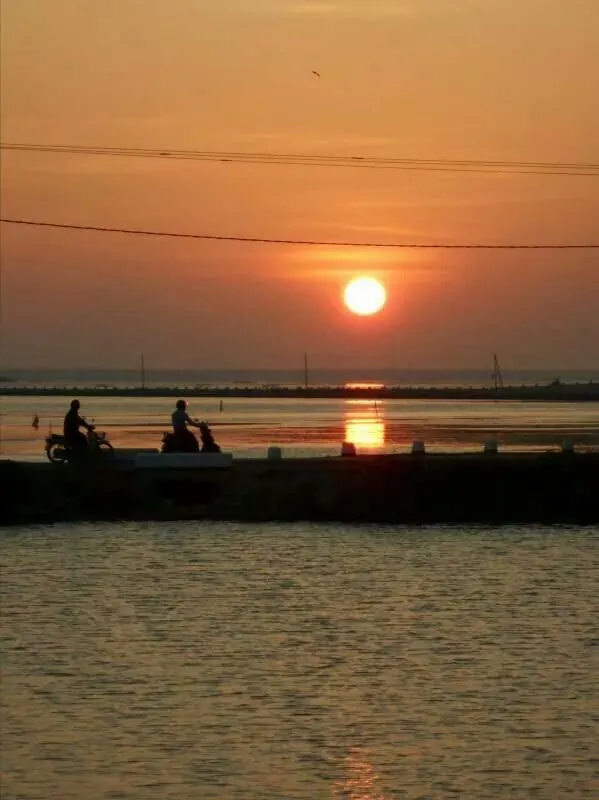
Sunset on the Ramparts of Jaffna Fort
Walk the great star-shaped walls of the Dutch fort as the day cools and the lagoon turns molten gold. The perimeter loop takes under an hour on foot, past ruined bastions and the part-restored colonial church. Late afternoon is the moment — the heat drops, the light softens, and the Kayts causeway glows on the horizon.
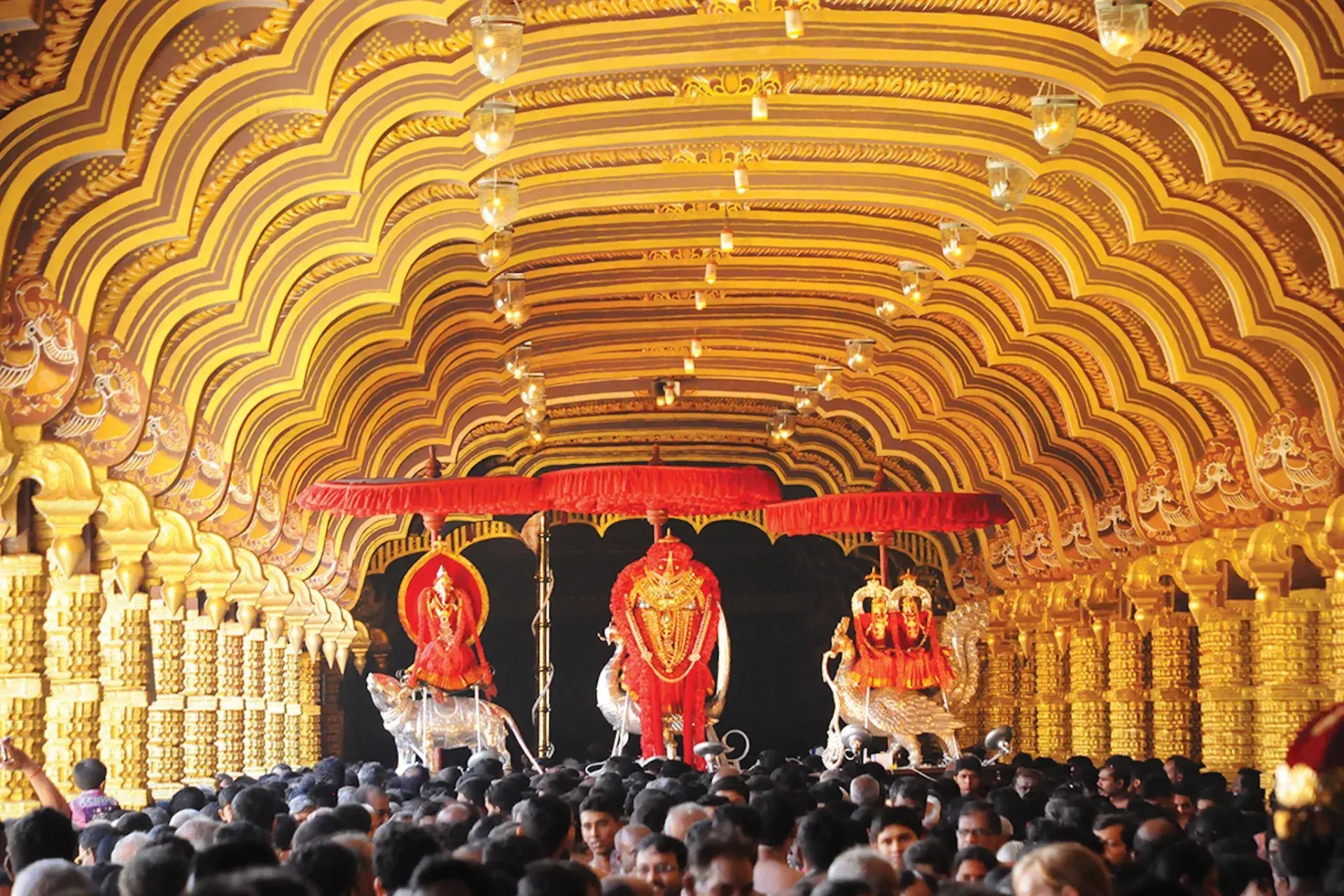
Dawn Pooja at Nallur Kandaswamy Kovil
There is nothing else in Sri Lanka quite like a *pooja* here — drums, bells, camphor smoke, and a sea of devotion beneath golden gopurams. Arrive for an early ceremony to feel the temple at its most electric. Remember the strict dress code: shirts off for men in the inner sanctum, shoulders and legs covered for all, and bare feet throughout.
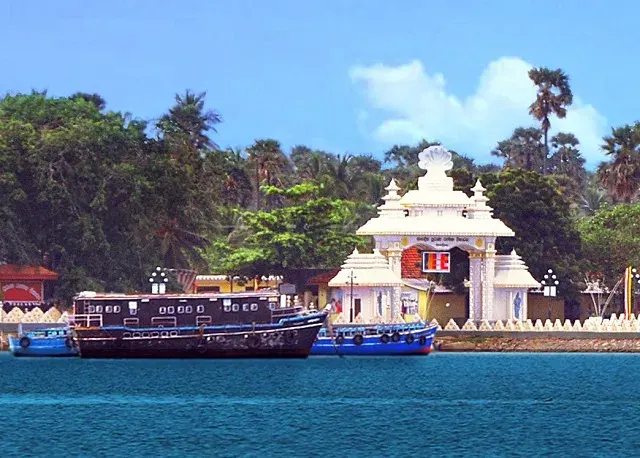
Ferry to Nagadeepa's Twin Shrines
Ride the short ferry from Kurikkaduwan Jetty to Nainativu, where a Buddhist temple and a Hindu kovil stand almost within sight of one another — one of the loveliest expressions of coexistence you'll find anywhere. The crossing is about twenty minutes across the Palk Strait, with pilgrims for company and India somewhere over the water.
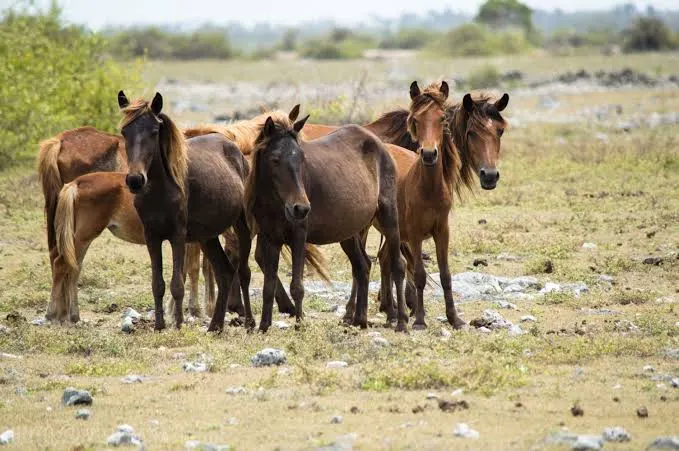
Wild Horses and Baobabs on Delft Island
Delft is the edge of Sri Lanka — a flat, wind-scoured island where feral horses roam past Dutch ruins, a giant baobab, and a strange "growing stone." The Navy ferry runs just once each way daily (out around 9 AM, back around 2:30 PM), so timing is everything. Bring your own water and food; facilities are almost non-existent, which is precisely the point.
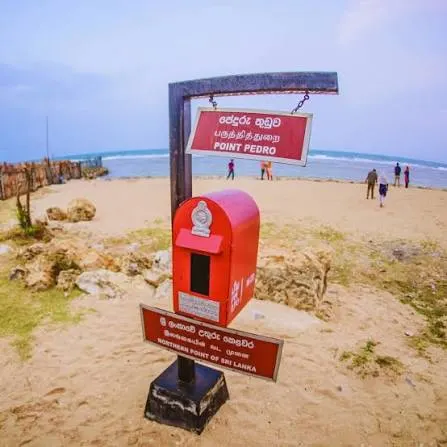
The Far-North Loop: Keerimalai, Kadurugoda & Point Pedro
Hire a tuk-tuk for the day and chain together the peninsula's northern treasures: a dip in the freshwater Keerimalai springs beside the sea, the cluster of ancient Buddhist stupas at Kadurugoda, and the lighthouse at Point Pedro, the island's northernmost point. It's a slow, sun-drenched drive through palmyra country with barely another tourist in sight.
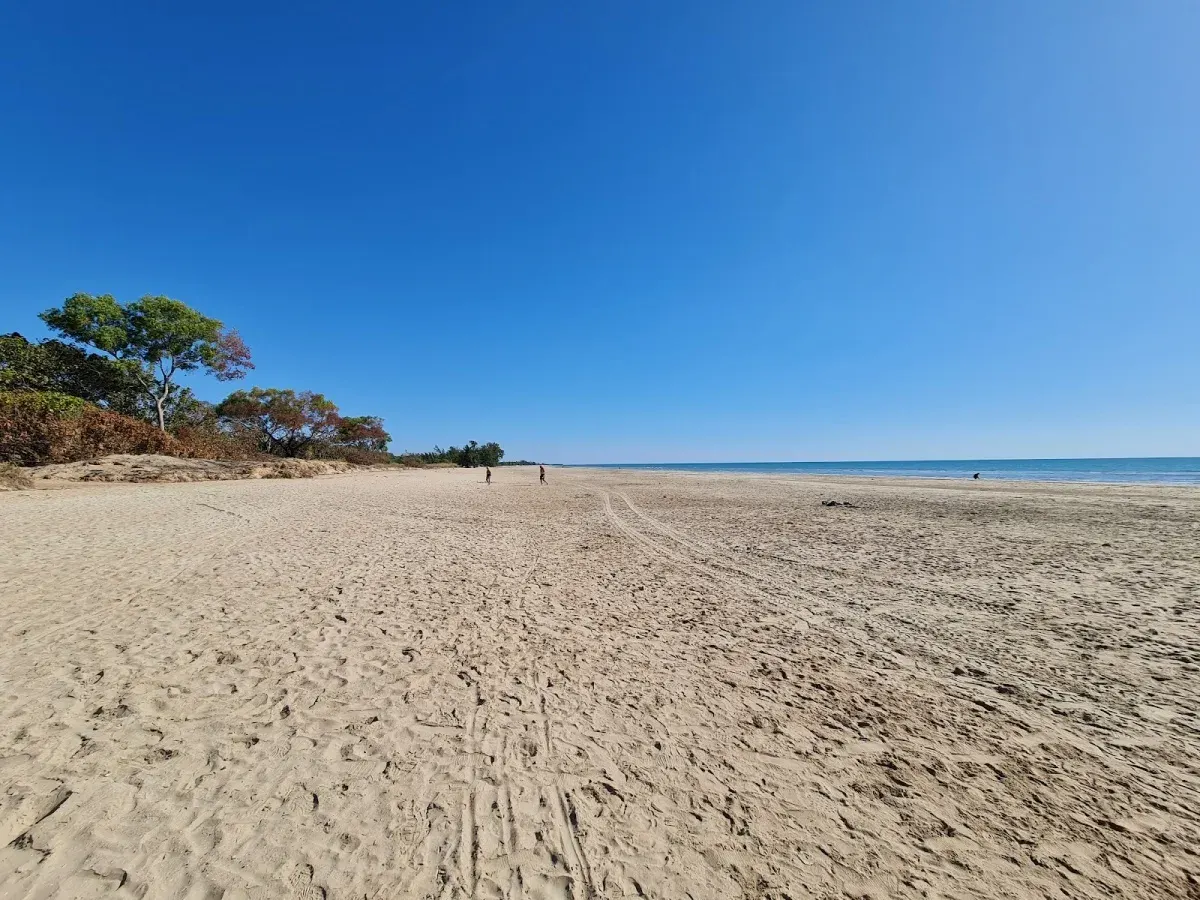
Manalkadu Dunes & Casuarina Beach
The northeast coast hides a miniature desert at Manalkadu, where sand has half-swallowed a ruined colonial church, and Casuarina offers calm, shallow, swimmable water fringed with pines. Best enjoyed in the drier *May-to-September* window, when the sea is gentlest and the sky is wide and blue.
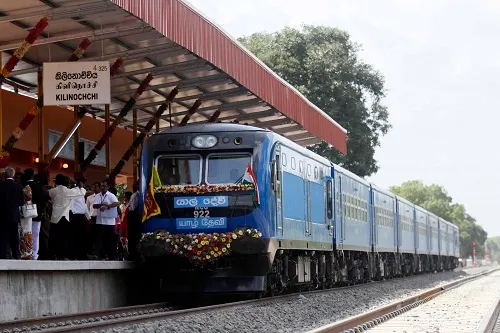
The Yal Devi Train Journey from the South
Treat the approach as an experience, not just transit. The Yal Devi Express glides north from Colombo (or, more cleverly, from Anuradhapura in about three hours) through dry-zone scrub and palmyra plains, with assigned seating and none of the crush of the hill-country lines. Watching Sri Lanka change through the window is half the magic of arriving in Jaffna.