Hikkaduwa
Southern Province · Down South
Hikkaduwa: Coral Reefs, Rolling Waves and Turtles at Your Feet
Hikkaduwa is a lively beach town on Sri Lanka's southwest coast, about 100 km (roughly two hours) from Colombo and just 20 km north of Galle, famous for the coral reef of its marine national park, its beginner-friendly surf, and the green sea turtles that glide right up to swimmers at Turtle Beach. One of the island's original beach destinations, "Hikka" blends easy reef snorkelling straight off the sand with a warm, sociable, sometimes party-loving atmosphere. Its season runs roughly November to April, when the seas are calm, the waves are clean and the water is clear.
History
Hikkaduwa began as a coconut-and-fishing village, but its destiny was written on the reef just offshore. In the 1960s and 70s, as the hippie trail reached Sri Lanka, Hikkaduwa became one of the island's very first beach-tourism hotspots — a barefoot paradise of cheap guesthouses, coral gardens and surf that drew travellers long before the rest of the south coast opened up.
For decades it rode a wave of mass tourism, and the reef paid a price through bleaching, pollution and careless boats. Then, on 26 December 2004, catastrophe struck the whole coast.
Just north of Hikkaduwa, near Peraliya, the 2004 tsunami engulfed a crowded passenger train, killing more than a thousand people in what is remembered as one of the worst rail disasters in history. A memorial Buddha statue, donated by Japan, now stands in quiet tribute.
Hikkaduwa rebuilt with characteristic resilience. In the years since, it has shed some of its mass-market past and settled into a more relaxed identity — a surf-and-snorkel town that remembers its history, protects its recovering reef, and still knows how to enjoy a sunset.
What to See
The Coral Sanctuary & Marine National Park
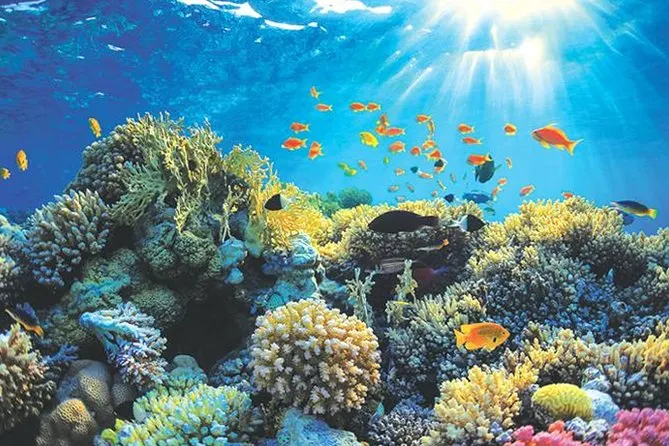
Hikkaduwa's crowning glory is its coral sanctuary, part of Sri Lanka's pioneering marine national park. Just a short swim from the beach, in shallow, calm water, a reef of staghorn and brain coral shelters parrotfish, angelfish, moray eels and sea turtles. It's one of the most accessible reef-snorkelling experiences in the country — you can simply wade in from the sand.
The reef has suffered from bleaching and past damage but is recovering under protection. Please never touch or stand on the coral, and choose licensed operators to help keep it safe.
Turtle Beach
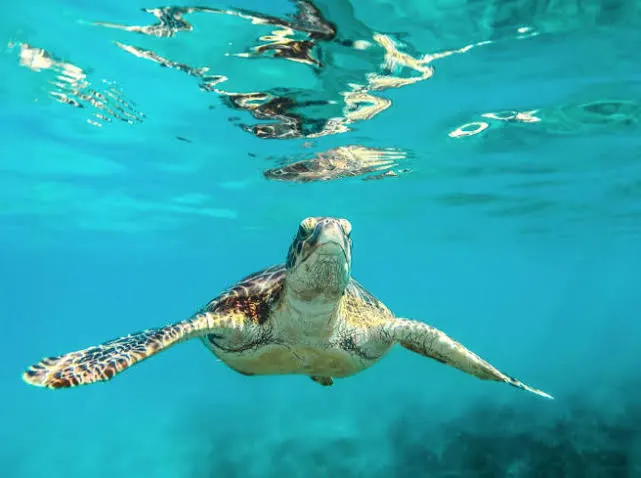
At the southern end of the strand, green sea turtles come remarkably close to shore to feed, and snorkellers regularly find themselves swimming alongside these gentle giants in waist-deep water. It's a magical, only-in-Hikkaduwa encounter. Come early in the morning, keep a respectful distance, and never touch or chase them.
Surfing at Narigama
Hikkaduwa is one of Sri Lanka's classic surf towns. The forgiving beach break at Narigama and the main strand is ideal for beginners and improvers, with a friendly scene of surf schools and board hire. More experienced surfers can paddle out to the reef break known as Benny's for a punchier ride.
Diving the Wrecks
Beneath the waves lie some of the island's best dive sites, including the SS Conch — one of the world's first oil-tanker wrecks — the Earl of Shaftesbury, and vibrant coral gardens. Dive schools run trips for all levels, with the calmest, clearest water in the season months.
Tsunami Honganji Vihara & Museum
A short way north near Telwatta, a striking Buddha statue gifted by Japan memorialises the victims of the 2004 tsunami, including those lost on the train. Nearby, a small, deeply moving community museum documents the disaster through survivors' photographs and accounts. It is a sober, humbling stop that puts the coast's beauty in perspective.
The Beach & the Town
Hikkaduwa's long sandy beach is backed by a lively ribbon of cafés, juice bars, surf shops and beach bars, and the town has a well-earned reputation for sociable nights. By day it's swimming, surfing and snorkelling; by evening, sunset drinks and easy conversation with fellow travellers.
Ticket Prices & Opening Hours
Hikkaduwa's beach, reef and turtles are free to enjoy; the paid experiences are gear, boats, lessons and dives. All figures were checked this year; prices are negotiable and vary by operator, so confirm before you commit.
- Coral sanctuary & beach: free to access — there's no formal ticket gate.
- Snorkel gear rental: around $3–5 per day.
- Glass-bottom boat & snorkel trips: negotiated with operators, typically a few thousand rupees per boat for a short trip. Book through the marine national park office or a licensed operator, and avoid reef-damaging touts.
- Surfing: board hire around $5–10 (Rs 1,000–2,000) per day; lessons around Rs 4,000–7,000 (~$20–30).
- Diving: two boat dives around $70–90, gear included.
- Tsunami Museum: a small entry fee of around 500 LKR or a donation. Confirm on arrival.
Season & timing: the best conditions run November to April, with the calmest seas and clearest water for snorkelling and diving, and the best surf roughly November to March. Snorkelling and turtle-spotting are best in the morning, when the water is clearest and the turtles most active. May to October brings rougher seas and reduced visibility.
Practical Tips
- Snorkel in the morning. Early water is calmest and clearest, and the turtles are most active — plus you'll beat the crowds and the wind.
- Protect the reef. Never touch, stand on or chase coral or turtles, and use reef-safe sunscreen; the reef is recovering and fragile.
- Choose licensed operators. For boats and dives, book through the national park office or a reputable dive school rather than beach touts.
- Beginners, head to Narigama. The sandy-bottomed beach break is far more forgiving than the reef breaks — take a lesson first.
- Take the train. The coastal railway from Colombo or Galle is cheap, scenic and drops you close to the beach.
- Pay your respects thoughtfully. The tsunami memorial and museum are places of real grief — visit with quiet respect.
- Carry small cash in rupees. For gear, boats, tuk-tuks and beach cafés.
- Pair it with Galle. The historic fort is only about 30 minutes south and makes an easy day trip.
How to Get There
Hikkaduwa sits on the southwest coast between Bentota and Galle, roughly 100–115 km from Colombo.
- By train: the classic way to arrive. The scenic coastal railway from Colombo takes around 2 to 3 hours, is very cheap, and stops right in Hikkaduwa near the beach — one of Sri Lanka's most enjoyable train rides.
- By car or private transfer: via the Southern Expressway (E01), Colombo to Hikkaduwa takes around 2 hours.
- By bus: frequent Colombo–Galle coast-road buses stop in Hikkaduwa; cheap and regular.
- From Galle: just 20 km south, about a 30-minute tuk-tuk, bus or train ride away.
Hikkaduwa slots naturally into a southwest-coast run linking Bentota, Galle, Unawatuna and Mirissa.
Hikkaduwa vs. Unawatuna: Which Beach Town?
Two of the south coast's most-loved beach towns sit close together but feel quite different, and which suits you comes down to what you want from a beach day.
- Hikkaduwa: livelier and more energetic, with the best reef snorkelling straight off the beach, better surf, turtle encounters and a busier nightlife — and generally more budget-friendly.
- Unawatuna: calmer and more sheltered, with a reef-protected bay ideal for gentle swimming and a slightly more upscale, laid-back feel.
If you want to snorkel a coral reef, learn to surf and stay up late, choose Hikkaduwa; if you want to float in calm water and unwind, choose Unawatuna. Many travellers happily do both.
Why Hikkaduwa Stays With You
Hikkaduwa stays with you as a place of contrasts held gently together — the flash of a parrotfish over the reef, a sea turtle rising to breathe beside you, the roar of a beginner's first wave, and the quiet weight of a tsunami memorial in the palms. It is beautiful and buoyant, but it carries its history with grace.
You leave remembering how easy it all was: how you simply walked off the sand and into a coral garden, how a wild turtle chose to share the water with you, how the evening slid into music and sunset. That effortless, unpretentious joy is what calls people back to Hikka.
Frequently Asked Questions
Can you snorkel with turtles in Hikkaduwa?
Yes. Green sea turtles regularly feed in the shallows at Turtle Beach on the southern end of the strand, and snorkellers often swim right alongside them in waist-deep water. Go early in the morning for the best chance, keep a respectful distance, and never touch or chase them.
Is Hikkaduwa good for snorkelling?
Very. The coral sanctuary of Sri Lanka's marine national park lies just a short swim from the beach in shallow, calm water, home to colourful reef fish, coral and turtles. It's one of the most accessible reef-snorkelling spots in the country, best explored on a calm morning in the November–April season.
Is Hikkaduwa or Unawatuna better?
It depends on your style. Hikkaduwa is livelier, with better surf, reef snorkelling, turtles and nightlife, and is more budget-friendly. Unawatuna is calmer, with a sheltered bay ideal for swimming and a more upscale feel. Both are close together, so many visitors see both.
When is the best time to visit Hikkaduwa?
The best months are November to April, when the seas are calm and clear for snorkelling and diving and the surf is at its best (roughly November to March). May to October brings rougher water and lower visibility on this coast.
How much do surf lessons cost in Hikkaduwa?
Surf lessons typically cost around Rs 4,000–7,000 (about $20–30), and board hire is around $5–10 (Rs 1,000–2,000) per day. Prices vary by school and are often negotiable, so it's worth comparing a couple of the many surf shops along the beach.
How do you get from Colombo to Hikkaduwa?
The most enjoyable way is the coastal train, which takes about 2 to 3 hours, is cheap and stops near the beach. By car via the Southern Expressway it's around 2 hours, and frequent coast-road buses also run. From Galle, it's only about 30 minutes north.
Is Hikkaduwa worth visiting?
Yes. Few places let you snorkel a coral reef and swim with wild turtles straight from the sand, learn to surf on gentle waves, and enjoy a friendly beach-town scene all in one spot. Add its diving, its history and its easy transport links, and Hikkaduwa earns its place on any south-coast trip.
Experiences & Activities
Discover unique experiences and memorable activities in Hikkaduwa.
Snorkel the Coral Sanctuary
Wade straight off the beach into the shallow, protected reef of Sri Lanka's marine national park, where staghorn and brain coral shelter parrotfish, angelfish and turtles. It's one of the country's most accessible reef snorkels, needing nothing more than a mask and fins. Never touch or stand on the coral. *Seasonal:* clearest water and best visibility run November–April; go early morning.
Swim with Turtles at Turtle Beach
At the southern end of the strand, green sea turtles feed close to shore, and you can often find yourself floating just an arm's length from one in waist-deep water. It's a genuinely magical, unforced wildlife encounter. Arrive early, keep your distance, and never touch or chase them — let the turtles set the terms.

Ride the Reef Break

Wreck Dive the SS Conch
Hikkaduwa's dive sites include the SS Conch — among the world's first oil-tanker wrecks — the Earl of Shaftesbury, and lively coral gardens, explored on trips run by local dive schools. Certified divers can descend to encrusted wrecks alive with fish, while beginners can try a discovery dive. *Seasonal:* calmest, clearest diving is November–April.